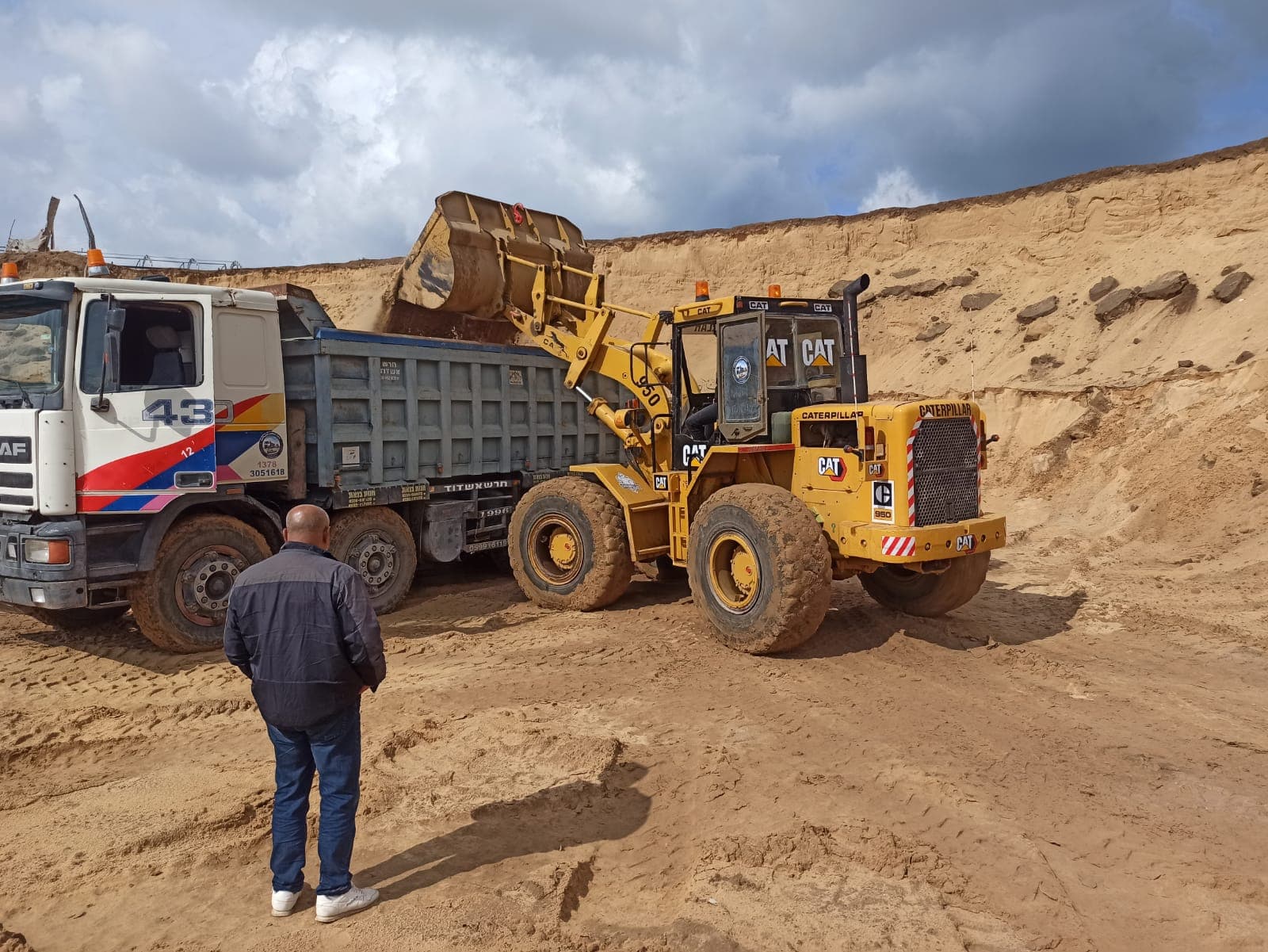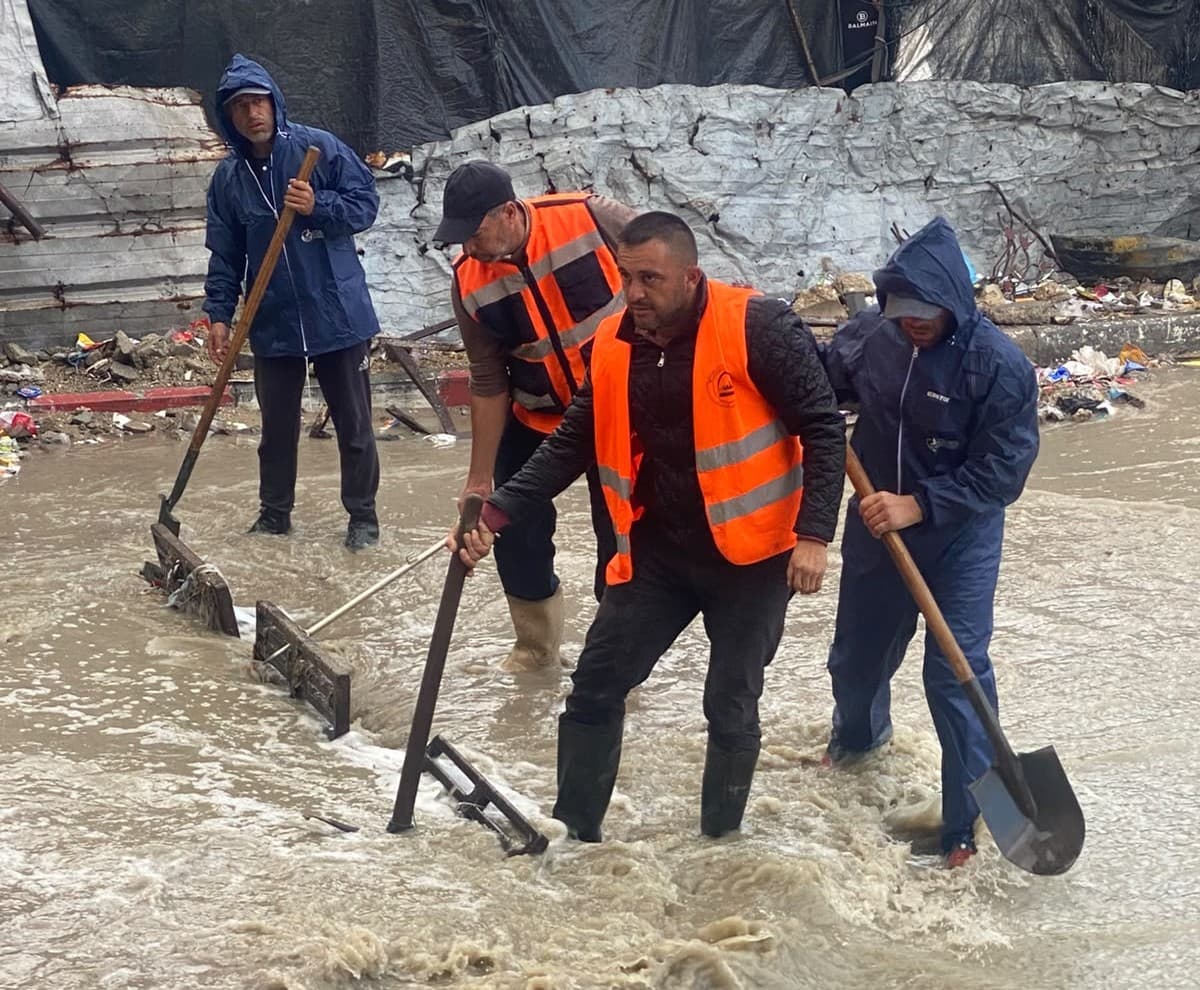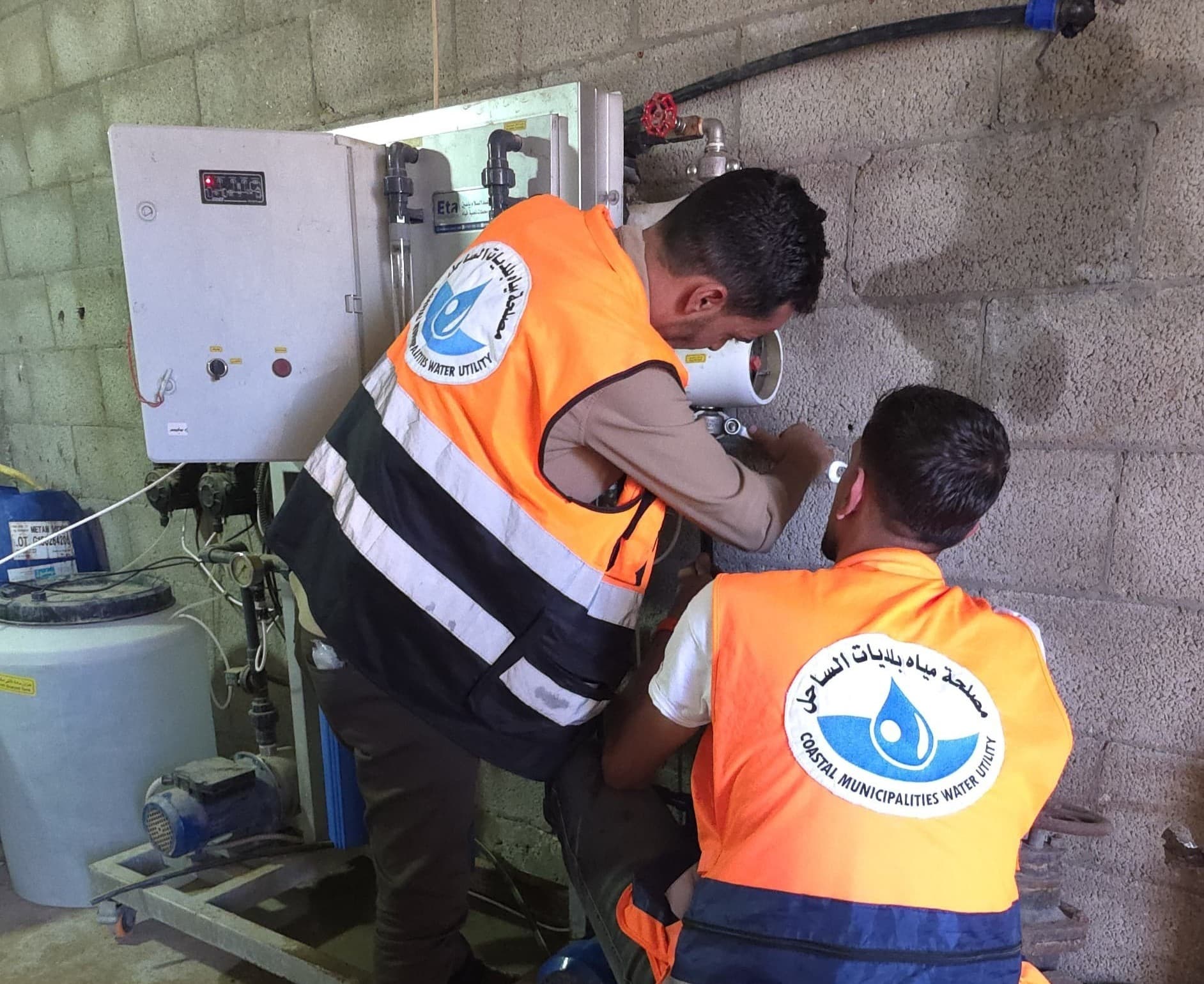
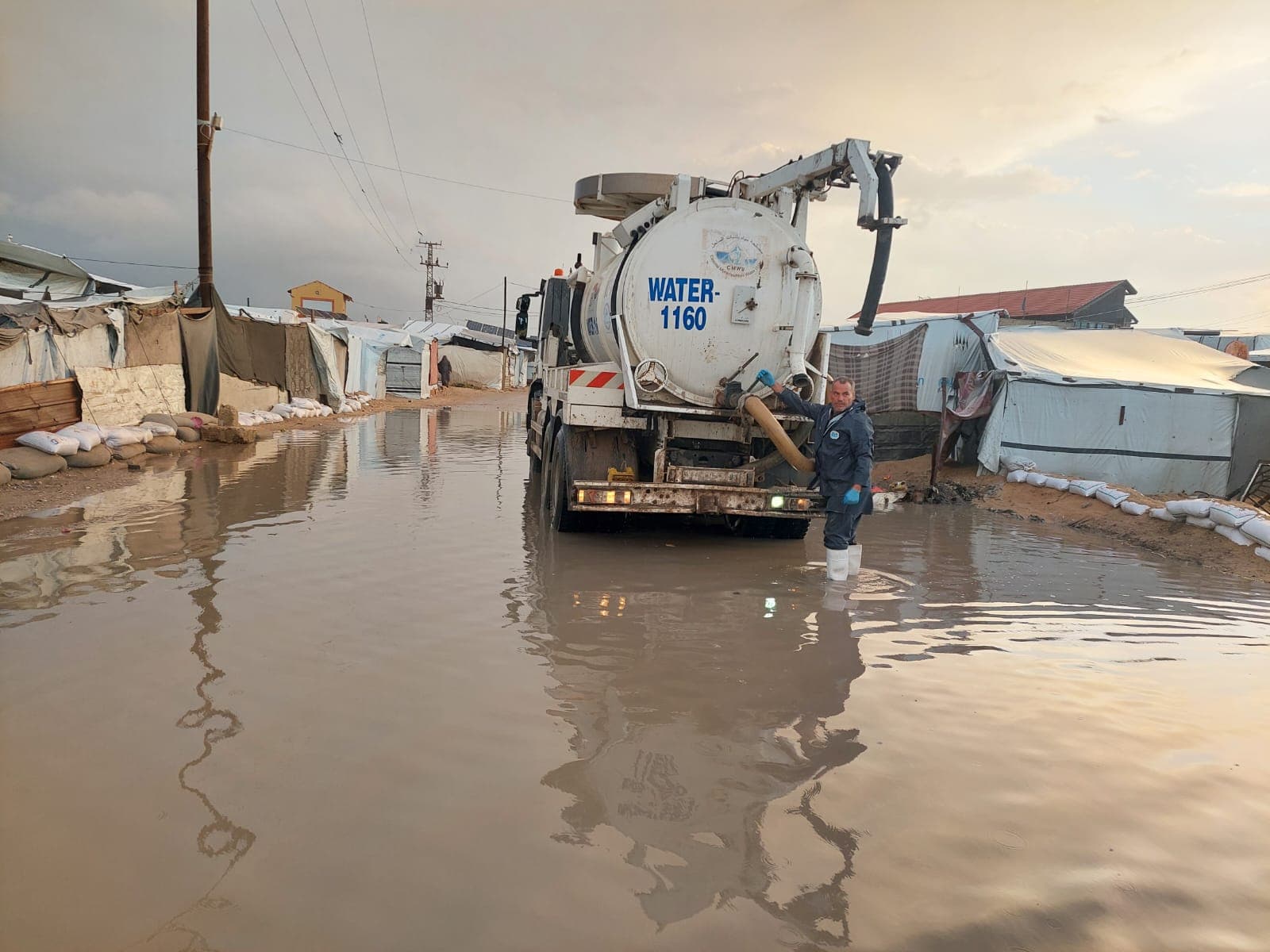
Since the onset of the low-pressure weather system, CMWU teams have continued carrying out field interventions in the Al-Mawasi areas of Khan Younis and Rafah, aiming to mitigate its impacts as much as possible and reduce the risks of rainwater accumulation, despite the challenging field conditions.
These interventions are being carried out amid the difficult circumstances faced by residents and displaced people, resulting from the extensive deterioration of infrastructure, coupled with severe shortages of spare parts and maintenance supplies. These shortages limit the teams’ ability to carry out maintenance works and field interventions at the required pace.
As a deepening humanitarian crisis continues to affect hundreds of thousands of displaced people living in extremely harsh conditions and in urgent need of emergency assistance, CMWU has issued a series of urgent appeals calling on international organizations and relevant stakeholders to intervene immediately and facilitate the entry of spare parts, technical supplies, and maintenance materials. These include supplies needed to maintain heavy machinery, oils, and equipment used in stormwater drainage and wastewater operations. Such supplies are essential to ensure the continued operation of this equipment, enable field teams to sustain their interventions, reduce the risks of rainwater accumulation and flooding that could threaten the lives of residents and displaced people at any time, and maintain the minimum possible level of water and wastewater services.
It is worth noting that CMWU is also continuing its field interventions through projects involving the rental of heavy machinery and the provision of technical labor across various areas of the Gaza Strip. Funded by the International Committee of the Red Cross (ICRC) and the United Nations Children’s Fund (UNICEF), these projects support CMWU and municipal emergency teams and strengthen their capacity to respond to field challenges, carry out maintenance works, address rainwater accumulation and wastewater-related issues, and mitigate the impacts of low-pressure weather systems as much as possible.